Dust, Noise and Fumes During Floor Sanding Explained
What Actually Happens Inside Your Home During Floor Sanding
Floor sanding is not a quiet, clean process. The machines are loud, the coating products have a strong smell, and even with dust containment equipment, some fine particles will move through the air. Knowing what to expect before the job starts makes the whole experience far less stressful.
This post covers the three main concerns homeowners raise: dust, noise and fumes. Each one is manageable, but each one needs a bit of planning on your end too.
Floor Sanding Dust: How Much Is Normal and Where It Goes
Sanding timber floors produces a significant amount of fine wood dust. The bulk of it gets captured by the dust bag or vacuum system attached to the sanding machine, but no system captures every particle.
Fine airborne dust can settle on surfaces in adjoining rooms, particularly if doors are left open or the home has poor sealing between spaces. Closing internal doors and removing soft furnishings from the work area before the job starts reduces how far dust travels. A full checklist of what to move and close off before your tradie arrives is worth working through in advance, and preparing your home correctly before sanding day makes a real difference to the outcome.
Wood dust is not just a nuisance. Fine particles produced during sanding can irritate the eyes, nose and throat, and repeated exposure carries recognised health risks for anyone spending extended time in the space. Professional operators wear respiratory protection for this reason, and you should keep children, elderly family members and pets out of the home while sanding is underway.
Dustless Sanding: What It Means and What It Does Not Mean
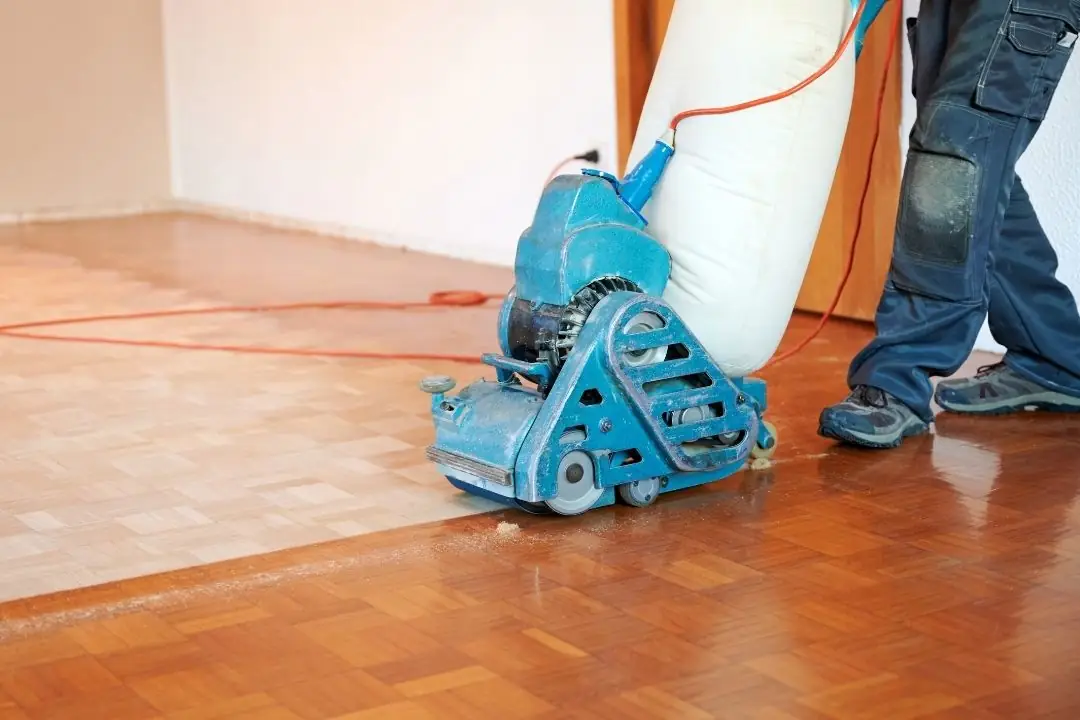
Many floor sanding businesses use equipment designed to contain dust at the source. These systems connect directly to the sanding machine and pull dust into a sealed collection unit before it has a chance to spread through the room.
The term “dustless” describes this containment approach rather than a zero-dust outcome. Dust containment during floor sanding works by capturing the majority of particles at the point of generation, which dramatically reduces airborne dust compared to older open-drum machines. Some residual dust is still possible, particularly in corners and edges where hand tools are needed.
If dust levels are a concern for your household, ask your floor sanding contractor directly about the equipment they use and how they handle edge work.
How Loud Is Floor Sanding?
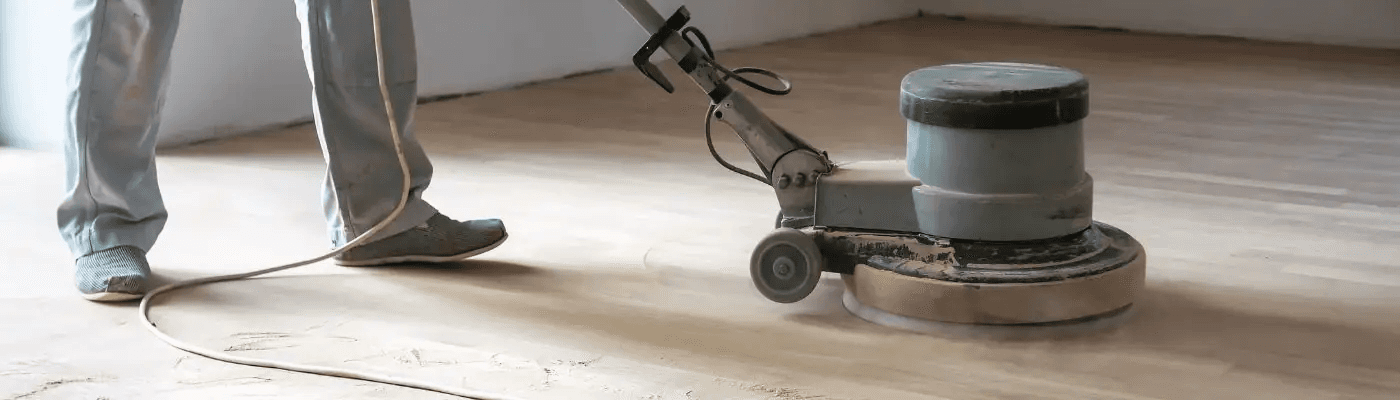
The main sanding machines run at a noise level comparable to a loud vacuum cleaner or a petrol lawn mower. In a standard-sized room, that noise carries through walls and floors, so anyone remaining in the home will hear it clearly.
Sanding typically takes one to two days depending on the floor size and condition. If you work from home, plan to be elsewhere during sanding hours. The noise drops significantly once the sanding phase is complete and the coating stage begins.
Neighbours in attached or semi-detached homes may also notice the noise. A quick heads-up before the job starts avoids any friction.
Fumes From Floor Coatings: What to Expect and How Long They Last
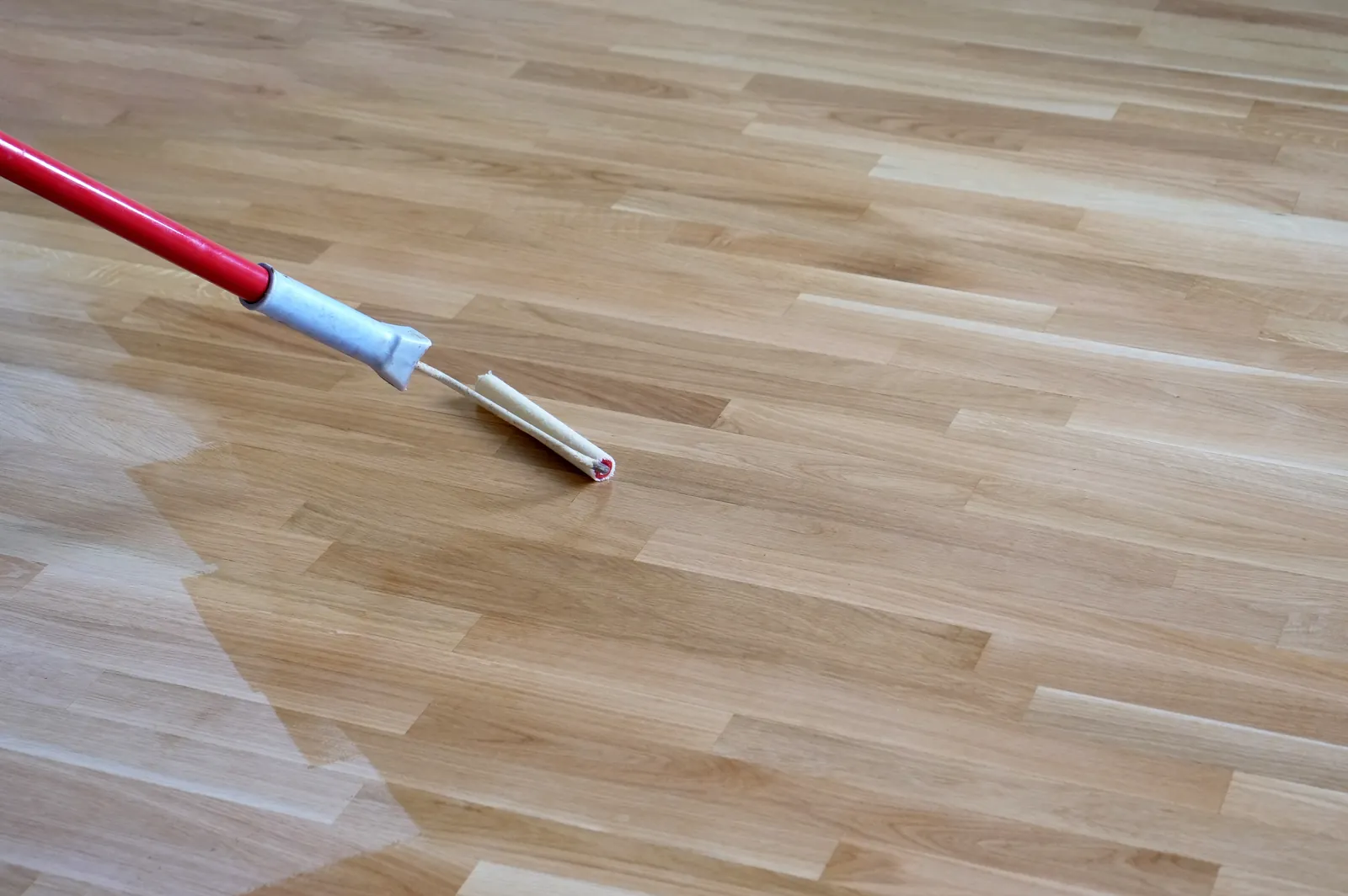
Once sanding is complete, the floor gets coated with a finish, typically a polyurethane, oil or water-based product. This is where fumes become the main concern rather than dust.
Solvent-based coatings produce strong fumes that require the home to be vacated during application and for a period afterwards. Water-based coatings have a lower odour profile, but they still release some fumes during drying and the space needs ventilation. Your contractor should tell you exactly how long to stay out based on the product they are using and the conditions on the day.
Ventilation speeds up the process. Opening windows and doors after the recommended wait time helps clear residual fumes faster. Do not rely on smell alone to judge whether a coating has cured. Some products lose their odour before they are fully hardened, and walking on them too early causes surface damage.
How Long Before You Can Use the Rooms Again?
Light foot traffic is usually possible within 24 hours of the final coat, but full cure takes longer. Most coatings reach full strength between five and seven days after application, depending on humidity, temperature and the number of coats applied.
During that curing window, avoid dragging furniture across the floor, placing rugs down or wearing shoes with hard soles. The surface may feel dry to the touch well before it is ready for normal use.
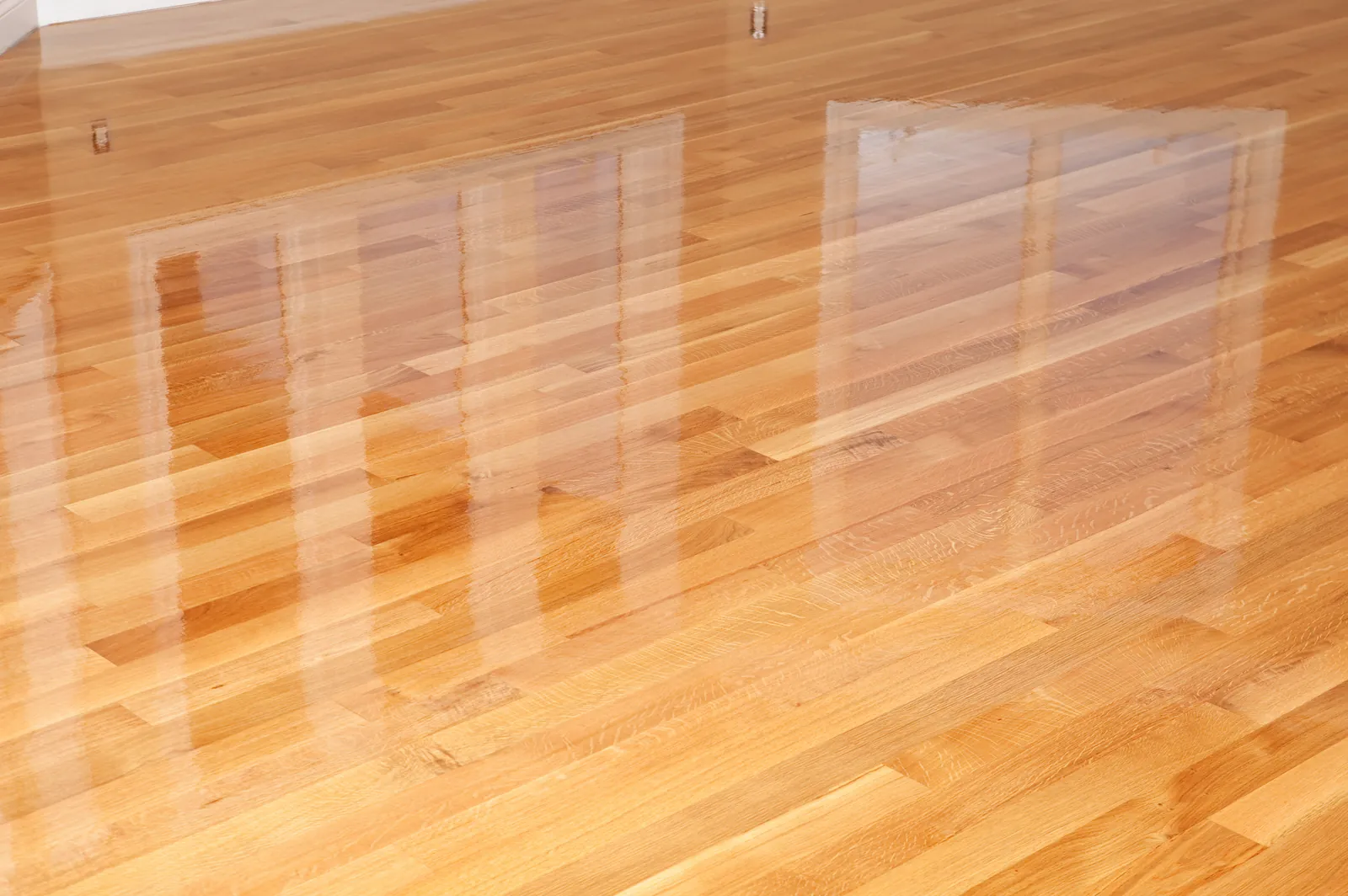
Your contractor will give you specific timing based on the product used. Follow their advice rather than the general figures above, since conditions on the Gold Coast can vary significantly between seasons.
What You Can Do to Make the Process Easier
A few practical steps on your end reduce disruption and protect the rest of your home. Move furniture out of the room completely before the team arrives. Cover air vents in adjoining rooms to limit dust migration. Arrange somewhere else to be during sanding hours if noise is a problem for you or your family.
If you have pets, organise boarding or keep them at a friend’s place for the duration of the job. Dust and coating fumes are harder on animals than on adults, and a stressed pet in a confined space creates problems for everyone.
Good floor restoration work starts with a well-prepared space. The more access and clear space the team has, the faster and cleaner the job goes.
Ready to Book Your Floor Sanding?
Knowing what to expect from dust, noise and fumes takes the uncertainty out of the process. Our team works across the Gold Coast and Scenic Rim, including Currumbin floor sanding services and surrounding areas such as Elanora and Tugun. We are happy to walk you through what the job involves before you commit to anything.
Call (07) 5651 0891 or get in touch online to arrange your free quote.