Not all timber floors need a full resand to bring them back to life. In many cases, a lighter approach can refresh the surface without the cost or downtime of a full restoration. But choosing the wrong method can lead to underwhelming results or wasted effort. To get the best outcome, it’s important to match the treatment to your floor’s condition. In this guide, we’ll explain the differences between buffing, screening, and full sanding and help you decide which option is right for your Gold Coast home.
What is Timber Floor Buffing?
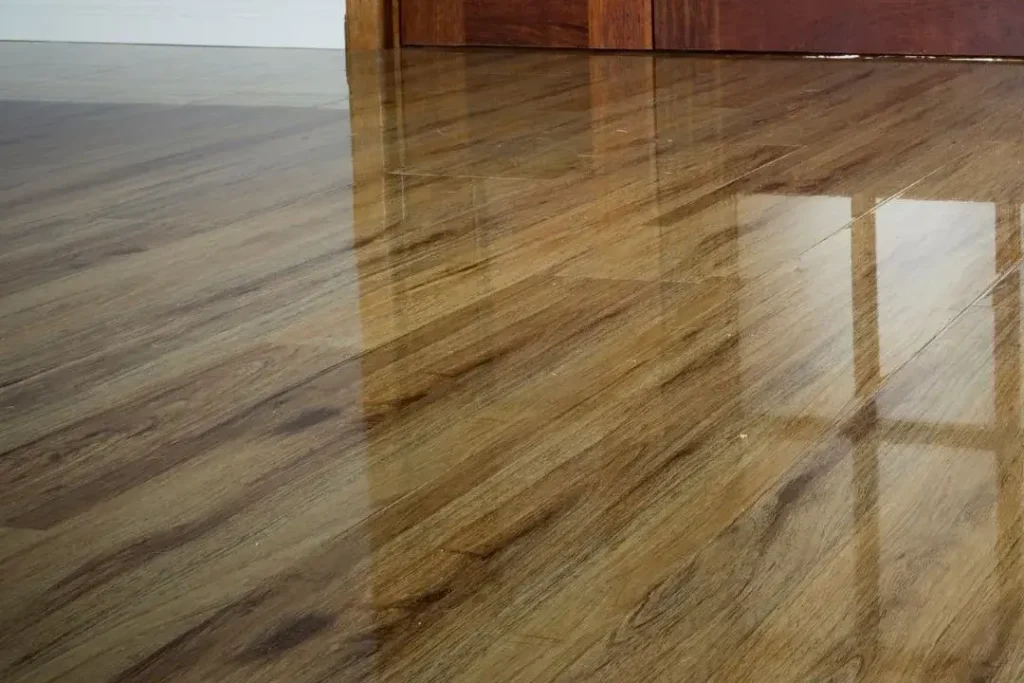
Buffing is a light maintenance process that restores a timber floor’s shine without removing any of the finish or timber itself. It’s more of a polish than a repair, which is ideal for dull or tired-looking floors that need a quick refresh. This method works best when the protective coating is still intact and the floor has only lost its sheen, not suffered any major wear. For homes with moderate foot traffic and no deep scratches, buffing can be an easy way to revive the appearance of the surface. Some DIY inclined homeowners choose to hire a floor buffing machine for this task, using a soft polishing pad, sometimes paired with a mild cleaning or buffing solution.
Pros of Buffing:
- Fast and low-cost
- No sanding or dust
- Ideal for regular maintenance
Cons of Buffing:
- Won’t remove scratches, scuffs, or stains
- Not suitable for worn or damaged finishes
- Short-term results only
What is Timber Floor Screening?
Screening, also known as sand and recoat, is a mid-level restoration that lightly abrades the top coat of your floor’s finish without touching the timber beneath. It involves using a fine mesh screen to scuff the surface, allowing a fresh coat of polyurethane or oil to properly bond. This is ideal for floors that still have a sound structure but show superficial signs of wear, such as minor scratches, dullness, or light scuffing. If your timber floors are looking tired but aren’t deeply damaged, screening can be a cost-effective way to extend their life. The process is typically done using a floor buffer with a sanding screen, followed by thorough vacuuming and recoating.
Pros of Screening:
- Refreshes the finish without stripping down to the wood
- Less time and disruption than full sanding
- Extends the life of your floor
Cons of Screening:
- Doesn’t fix deep damage or change colour
- Requires a sound existing finish to bond with the new coat
- Not suitable for peeling or flaking finishes
What is Full Timber Floor Sanding?
Full sanding is the most intensive restoration method, involving the complete removal of the existing finish and a fine layer of timber beneath it. It’s a full reset for your floors, allowing you to fix deep scratches, stains, uneven surfaces, or even change the floor colour entirely. This method is ideal for older or heavily worn floors, especially in homes exposed to coastal elements like sand, moisture, or high foot traffic. The process uses professional-grade equipment, including a drum sander, edge sander, and orbital sander, followed by vacuuming and the application of your chosen stain and finish. If your floors are damaged or showing their age, it might be time for a complete reset. For this level of restoration, it’s often best left to the experts at Floor Sanding Gold Coast, who use professional heavy-duty equipment and extensive experience to provide an unbeatable finish.

Pros of Sanding:
- Complete reset, removes all scratches, dents, and stains
- Allows for colour changes and full refinishing
- Delivers a like-new result
Cons of Sanding:
- More time-consuming and expensive
- Generates more dust (though most professionals use dustless systems)
- Requires drying and curing time before use
Which Method is Right For Your Floors?
Choosing the right restoration method comes down to your floor’s condition and what you want to achieve. If your timber floors are simply losing their shine but the finish is still in good shape, buffing may be all you need. If there are light scratches or signs of wear, but the timber itself is undamaged, screening is a great middle-ground option. But if you’re dealing with deep scratches, discolouration, uneven boards, or you want to change the stain colour entirely, full sanding is the way to go.
Gold Coast homes, especially those near the beach, tend to experience faster floor wear due to sand, humidity, and pets. If you’re unsure, it’s best to get a professional assessment that looks beyond the surface and considers your lifestyle, floor type, and long-term plans.

Conclusion
Restoring a timber floor isn’t a one-size-fits-all job. Buffing, screening, and full sanding each have their place. What matters most is choosing the right method based on the condition of your floors and the result you want to achieve. Whether you’re looking for a quick refresh or a complete transformation, understanding the difference can save you time, money, and frustration.
Still unsure what your floors need? Our Gold Coast team offers professional assessments to help you make the right call. From quick buffing jobs in Tallebudgera to full floor sanding projects in Helensvale and professional refinishing across the Gold Coast region, we’ll help you choose the method that gets the best results for your home. Call us today on (07) 5651 0891 for professional advice and a free quote.